Account Takeover (ATO)
.webp "Account Takeover (ATO)")
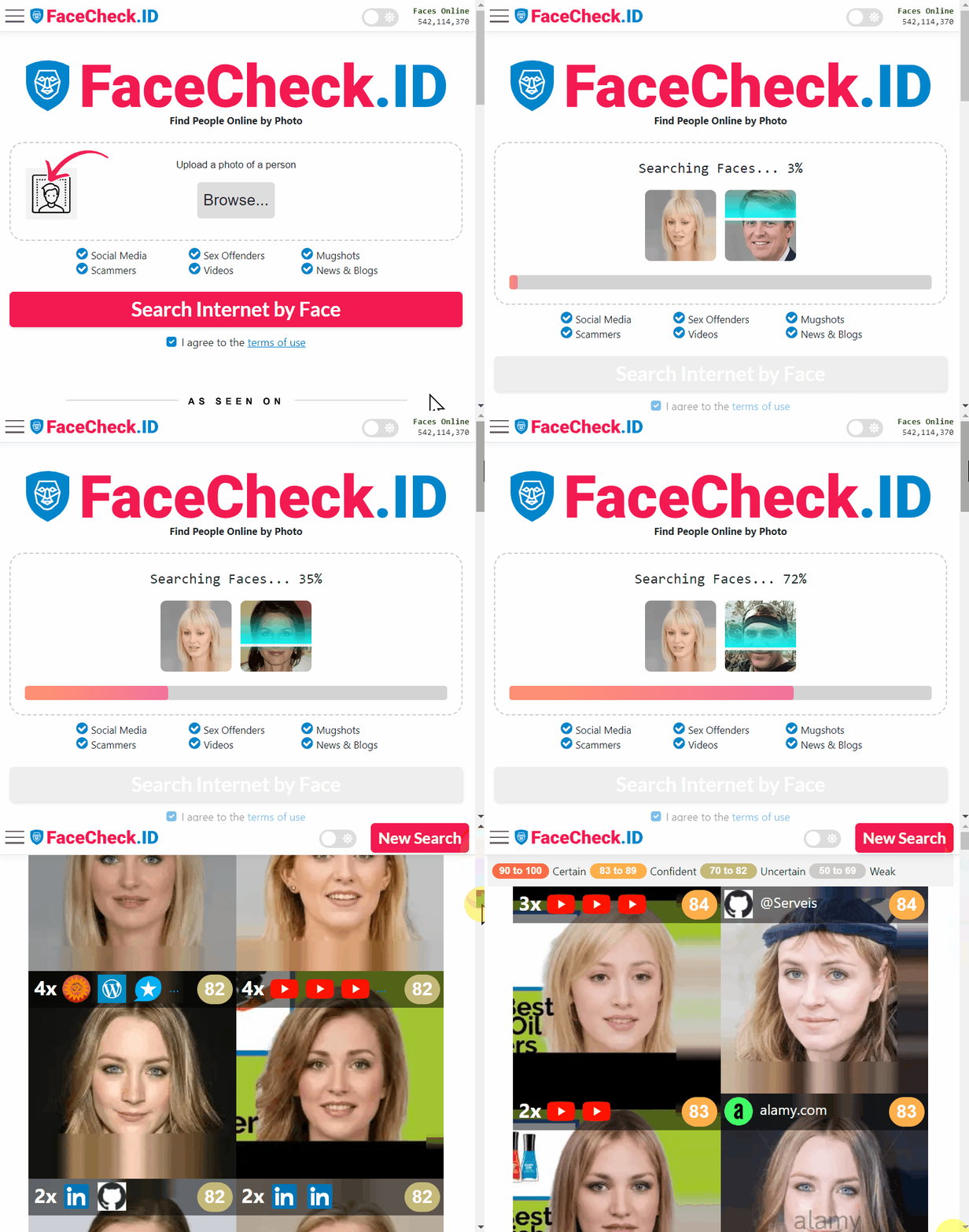
When someone hijacks an online account, the stolen profile rarely sits idle. It gets repurposed: dating profiles for romance scams, LinkedIn pages for fake recruiter pitches, Instagram accounts for crypto bait. Face search sits on the other side of that pipeline, helping victims and investigators trace where a stolen identity, or a stolen photo, ends up after the takeover.
How ATO connects to face search
A successful account takeover usually does one of two things with images. The attacker either keeps the original owner's photos to maintain the illusion of authenticity, or swaps them out for a new face pulled from somewhere else on the web. Both patterns leave traces a reverse face search can pick up.
If the attacker keeps the original photos, the real owner's face starts appearing on profiles they never created. Running a reverse face search on yourself will sometimes surface these stolen profiles before the platform's own fraud team catches them. People who have been impersonated this way often discover the takeover only after a friend gets a strange direct message or a stranger reports being scammed by "them."
If the attacker uploads a new face, that face is almost always borrowed. Common sources include scraped Instagram models, stock-photo headshots, military personnel photos, and small-time influencers whose images are reused across hundreds of fake profiles. A face search on the suspicious account's profile picture will often return dozens of unrelated identities using the same image, which is one of the cleanest signals that an account has been taken over or fabricated.
Patterns face search reveals after a takeover
- The same headshot appearing under multiple names across Tinder, Bumble, Hinge, and Telegram channels
- A photo originally posted years earlier on a personal blog or yearbook page now used on a "trader" or "investor" account
- A face that traces back to a public figure in another country, used on a dating profile in yours
- LinkedIn profiles where the face matches a real professional but the name, employer, or location has been altered
- Mugshot or news-archive matches for a face being used on a romance or investment account
Each of these is consistent with takeover or fabrication, but face search only shows where the image lives publicly. It does not reveal who runs the account or how access was obtained.
Using face search after your own account is taken over
If you suspect your own profile has been hijacked and cloned, a reverse face search on your own clearest photos can help locate copies. Front-facing, well-lit images produce the strongest matches because they resemble the kind of profile pictures attackers prefer. Side angles, group shots, and heavily filtered photos return weaker results.
Findings from a face search can support reports to platforms, but they work best alongside other evidence: screenshots of the impersonating profile, timestamps, message histories, and any payment requests sent to your contacts. Platform trust and safety teams act faster on reports that include a direct link to the offending account rather than just a face match.
Limits of using face search against ATO
Face search cannot confirm that an account has actually been taken over. A photo reused across multiple profiles might indicate impersonation, a shared marketing asset, a public figure with widely circulated images, or simply someone with a strong online lookalike. False positives are real, especially with younger faces, common features, or low-resolution thumbnails.
Face search also cannot tell you who controls a hijacked account, recover access, or prove intent. It does not see private platforms, encrypted messengers, or accounts behind login walls. An attacker who keeps a takeover quiet, never changing the photo and never messaging strangers, will leave almost no trace a face search can find.
The right way to read a face-match result in an ATO context is as a lead, not a verdict. A match means the same face exists in another place on the public web. Whether that reflects identity theft, image theft, account takeover, or coincidence still requires human judgment and corroborating evidence.
FAQ
How can account takeover (ATO) affect a face recognition search engine user?
In a face recognition search engine context, ATO means an attacker gains unauthorized access to a user’s account (e.g., via stolen passwords or session hijacking). The attacker may then view prior searches, reuse saved queries, change account settings (email/password), consume paid credits/subscriptions, or use the account in ways that create privacy, legal, or reputational risk for the account owner.
What are common attacker goals after taking over a face-search account?
Common goals include: (1) harvesting account history (what was searched, when, and possibly links/pages viewed), (2) running high-volume searches to extract leads for scams, doxxing, or impersonation, (3) draining credits or triggering charges, (4) locking the owner out by changing credentials or recovery options, and (5) using the compromised account to make activity appear attributable to the victim.
What security controls should a face recognition search service implement to reduce ATO risk?
Key controls include strong password policies (and support for password managers), multi-factor authentication (MFA) options, login notifications, rate limiting and bot detection, suspicious-login checks (new device/location), session management (short-lived tokens, logout-from-all-devices), robust account recovery protections, and clear audit logs. If a service like FaceCheck.ID offers MFA, login alerts, or session controls, enabling them materially reduces ATO risk.
What immediate steps should I take if I suspect my face search account has been taken over?
Act quickly: (1) change the account password (and any reused passwords elsewhere), (2) enable MFA if available, (3) log out of all sessions/devices, (4) verify and correct account recovery details (email/phone), (5) review recent logins, searches, and billing/credit usage, (6) contact the provider’s support (e.g., FaceCheck.ID support) to flag suspected compromise and request account lockdown if needed, and (7) scan your device for malware if you suspect the theft came from your endpoint.
How can I minimize privacy harm if an attacker accessed my face-search history?
Assume any accessible history may have been viewed. Minimize harm by: deleting saved searches/history if the service allows, rotating credentials and revoking active sessions, reviewing what sensitive images or cases were searched, notifying affected stakeholders if appropriate, and tightening future operational security (unique passwords, MFA, minimal uploads, and avoiding uploading images that contain unnecessary personal data). If the tool provides controls for history retention or deletion (including services such as FaceCheck.ID), use them to reduce ongoing exposure.

Recommended Posts Related to account-takeover-(ato)
-
140+ Common Romance Scammer Lines, Excuses & Red Flags to Watch For in 2026
These are often account takeover attempts.
-45.webp "Account Takeover (ATO)")