Stolen Identity Explained: Signs, Causes & Next Steps
Stolen identity is a type of identity theft where someone unlawfully takes and uses your personal information to pretend to be you. The goal is usually to gain money, credit, services, or access to your accounts, while leaving you with the damage.
What counts as a stolen identity
A stolen identity can involve any combination of information that can identify you or unlock access to your life, such as:
- Full name, date of birth, and address
- Social Security number or national ID number
- Driver’s license, passport, or other government ID details
- Bank account and routing numbers
- Credit and debit card numbers
- Online banking or email login details
- Mobile number used for verification codes
- Medical insurance details and patient records
- Tax records and employment information
Common ways identities get stolen
Identity thieves use many tactics, including:
- Phishing and smishing: Fake emails and texts that trick you into sharing passwords or codes
- Data breaches: Stolen customer databases from companies and services you use
- Malware: Spyware or keyloggers that capture logins and financial details
- Social engineering: Impersonating a bank, employer, or government agency
- SIM swapping: Taking over your phone number to intercept verification codes
- Stolen wallets or mail: Taking IDs, cards, or bank statements
- Public Wi Fi attacks: Capturing data on unsecured networks
- Credential stuffing: Using leaked passwords on other sites where you reused them
Types of identity theft linked to stolen identity
Stolen identity can lead to several forms of fraud:
- Financial identity theft: New credit cards, loans, or account takeovers
- Tax identity theft: Fraudulent tax returns filed in your name
- Medical identity theft: Care or prescriptions obtained using your identity
- Employment identity theft: Someone uses your details to get a job
- Criminal identity theft: Your name is given to law enforcement during an arrest
- Synthetic identity theft: Real details combined with fake information to create a new identity
Signs your identity may be stolen
Watch for these red flags:
- Unrecognized charges or withdrawals
- Password reset emails or login alerts you did not request
- Bills or collection notices for accounts you never opened
- Credit score drops for no clear reason
- Missing mail or new addresses added to your accounts
- Tax notices about duplicate filings or unknown income
- Calls from debt collectors about unfamiliar debts
What to do if your identity is stolen
If you suspect stolen identity, act quickly:
- Secure your accounts
Change passwords, enable multi factor authentication, and sign out of other sessions.
- Contact your bank and card issuers
Freeze cards, dispute fraudulent transactions, and ask about account monitoring.
- Place a fraud alert or credit freeze
This helps block new credit accounts from being opened in your name.
- Check your credit reports
Look for new accounts, inquiries, addresses, or employers you do not recognize.
- Report it to the right authority
File an identity theft report with your national reporting resource or local police if needed for documentation.
- Document everything
Keep a timeline, case numbers, screenshots, and copies of letters and emails.
How to prevent stolen identity
These habits reduce risk:
- Use unique, long passwords and a password manager
- Turn on multi factor authentication, ideally using an authenticator app or security key
- Do not share one time verification codes with anyone
- Monitor bank and credit accounts with alerts
- Be cautious with links, attachments, and urgent requests for personal data
- Limit what you share publicly on social media
- Shred sensitive documents and secure your mailbox
- Freeze your credit proactively if available in your country
Why stolen identity is serious
Stolen identity can lead to financial losses, denied credit, legal issues, medical record errors, and months of cleanup. Early detection and fast action can reduce the impact and help restore your accounts and credit history.
FAQ
What does “Stolen Identity” mean in the context of face recognition search engines?
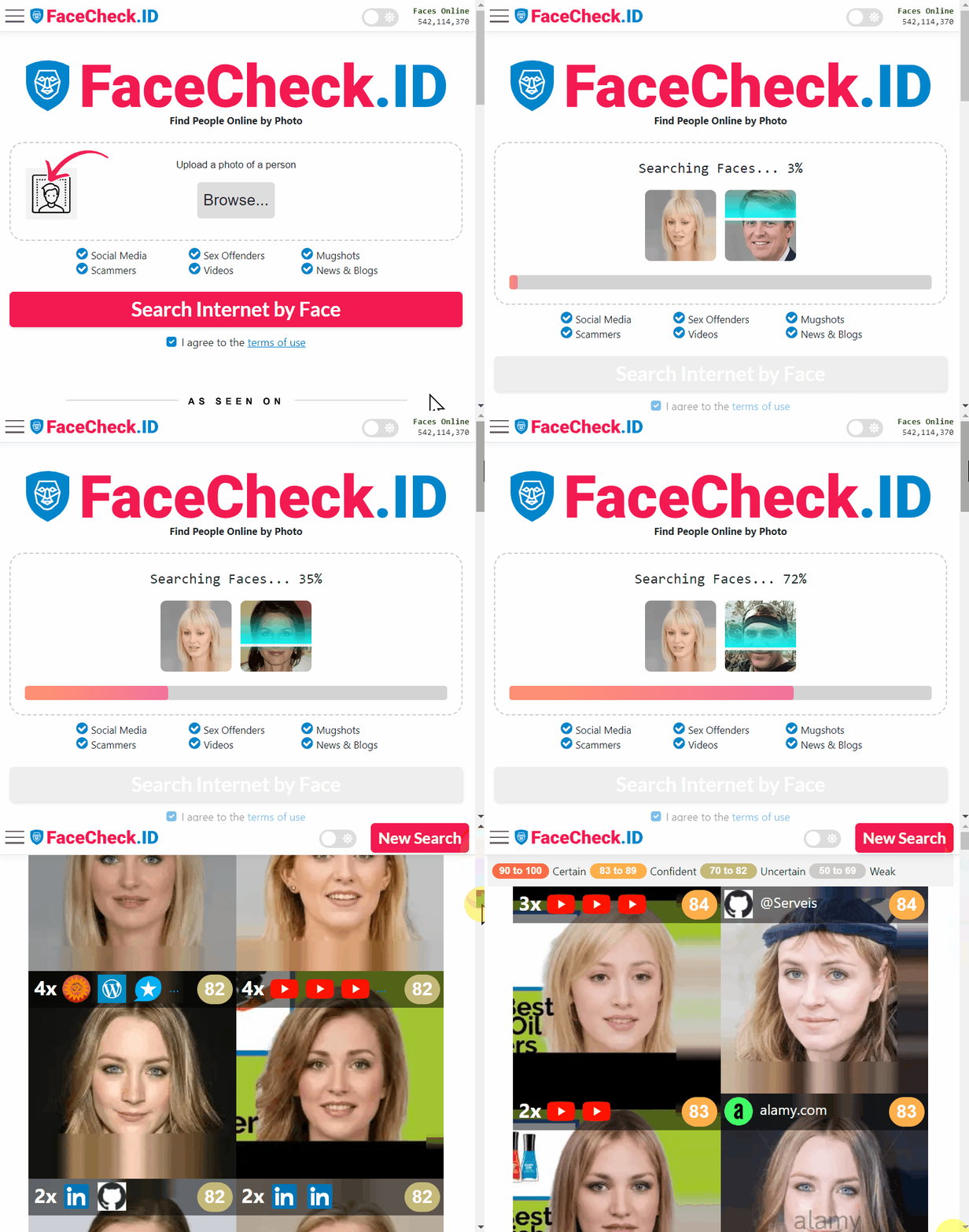
In face recognition search engines, “Stolen Identity” typically means someone is reusing another person’s face photos (and often their name or other details) to impersonate them online—such as for fake social media accounts, scams, or fraudulent listings. A face search may surface where the same face appears across unrelated profiles or websites, which can be a clue of impersonation but is not proof by itself.
How can a face recognition search engine help detect a stolen identity or impersonation?
It can reveal potential photo reuse by showing multiple webpages or profiles that appear to contain the same face, especially when the associated names, usernames, locations, or biographies conflict. This helps you treat matches as investigative leads—e.g., identifying the earliest/most credible source of a photo, finding copycat profiles, or discovering scam listings that reuse someone else’s images.
What face-search result patterns are common red flags for stolen-identity misuse?
Common red flags include: (1) the same face appearing under different names/usernames across platforms; (2) many newly created accounts using the same or very similar photos; (3) the face showing up on scam-report, spam, or “escort/explicit” aggregator pages that don’t match the person’s context; (4) profile photos that appear on multiple unrelated “dating” or marketplace listings; and (5) inconsistent biographical details across matched pages (age, country, employer, school).
If FaceCheck.ID (or a similar tool) shows my face used by someone else, what should I do first?
First, preserve evidence (screenshots, URLs, timestamps) and confirm the pages are truly using your photos (not a similar-looking person). Then report the impersonation to each platform using their impersonation/reporting flows, and request takedown where applicable. Consider tightening privacy on the original source of the photos (or removing high-risk images), enabling stronger account security (unique passwords, MFA), and notifying friends/followers if someone is actively impersonating you.
How can I reduce the risk of falsely accusing someone of “Stolen Identity” based on face search results?
Avoid treating a face match as identity proof. Validate using multiple independent signals: compare multiple photos from each profile (not just one), check posting history and account age, look for consistent cross-links (same handle across platforms), verify context clues (location, language, friends/followers), and look for the earliest credible source of the images. If using a tool like FaceCheck.ID, use it to gather corroborating sources and contradictions, and escalate carefully (platform reports or legal advice) rather than publicly accusing someone.

Recommended Posts Related to stolen identity
-
How to Detect Fake Remote IT Workers with Facial Recognition (2026 Guide)
Stop North Korean IT Fraud, AI-Generated Headshots & Stolen Identities Before You Hire. Stolen identity photos. Stolen-identity fraud.
-
How Do You Reverse Image Search on Dating Sites?
Catfishing is when someone uses a fake or stolen identity to deceive others online.
-
Stop Romance Scams in 2025: Real Case, Red Flags, and FaceCheck Tips
FaceCheck.ID helps identify fake photos and stolen identities quickly.