Face Swap Explained: How It Works + Uses & Consent

Face swap is a photo or video editing technique that replaces one person’s face with another face while keeping the original head position, lighting, and expressions as natural as possible. Face swap can be done manually in editing software or automatically using AI that detects facial features and blends them into the target image.
How face swap works
Most modern face swap tools follow a similar process:
- Face detection
The software finds faces in the source and target images or video frames.
- Facial landmark mapping
Key points such as eyes, nose, mouth, jawline, and eyebrows are identified to align both faces correctly.
- Alignment and warping
The source face is resized and reshaped to match the angle and proportions of the target face.
- Blending and color matching
Skin tone, shadows, and lighting are adjusted so the swap looks realistic and less cut out.
- Output rendering
The edited photo is exported, or for video the process is applied frame by frame.
Face swap vs deepfake
Face swap usually means a simpler replacement of faces in a single image or short clip. A deepfake typically uses AI models to generate more realistic, animated results, often preserving expressions, speech movements, and head motion over longer videos. Some apps use both techniques, so the terms can overlap in casual use.
Common uses of face swap
- Entertainment and memes for funny edits and social posts
- Creative content for posters, fan edits, and parody videos
- Film and video production for stand ins, testing scenes, or visual effects concepts
- Privacy and anonymization by replacing faces in media, with proper consent and compliance
- Marketing experiments such as personalization mockups, when legally permitted
What makes a face swap look good
A natural looking face swap depends on:
- Similar head angle and facial expression between source and target
- Matching lighting direction and intensity
- Accurate skin tone and color grading
- High resolution faces with clear details
- Clean edges around hair, jawline, glasses, and facial hair
Responsible use and consent
Face swapping can be fun, but it can also be misused to impersonate people or create misleading content. Always get consent when using someone’s face, avoid harmful or deceptive edits, and follow local laws and platform rules. Label altered media when needed, especially in professional or public contexts.
FAQ
What does “Face Swap” mean in the context of face recognition search engines?
In face-recognition search, “Face Swap” refers to an edited image where one person’s face has been digitally replaced with another person’s face (often using AI). This can confuse face-search results because the image may visually resemble the swapped-in person while other cues (scene, body, original source context) belong to someone else.
How can a face swap affect face recognition search results and similarity scores?
A face swap can cause the search engine to return results for the swapped-in identity (because the face region looks like them), or mixed results that alternate between the swapped-in and the original person. Similarity scores may look “high” even when the page context clearly indicates the image is manipulated or reposted.
What practical checks can help me detect a face-swapped image when reviewing face-search matches?
Check for visual inconsistencies (lighting direction, skin texture, edges around hairline/ears, mismatched blur/noise, incorrect shadows), and compare multiple photos from the same source page. Also verify context signals (captions, usernames, timestamps, other photos on the same profile) and see whether the same face appears naturally across different, independent sources rather than only in one suspicious edit.
If I suspect a face swap, what is the safest way to run a face recognition search without misidentifying someone?
Use multiple clean reference images (ideally original, unfiltered photos), crop to a clear, front-facing face, and run searches on more than one frame/photo. Treat results as leads: cross-check each hit with independent evidence (other images, consistent biographical details, consistent accounts) before concluding it’s the same person, and avoid sharing accusations based only on a single match.
How can FaceCheck.ID be used when a face swap is suspected, and what should users keep in mind?
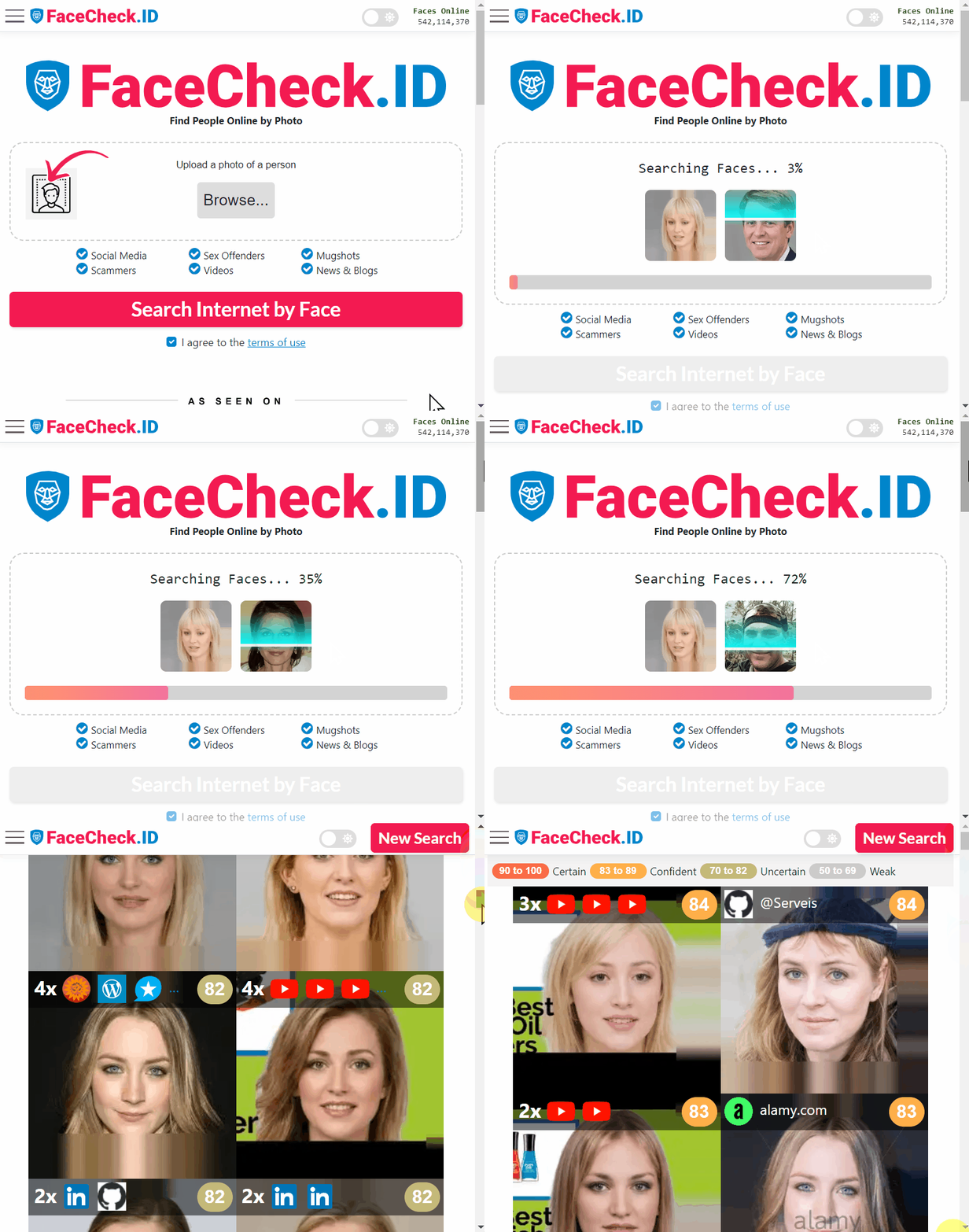
FaceCheck.ID (like other face-search tools) can help you find where a similar face appears online, which may reveal the likely source face used in a swap or show that the image is circulating in manipulated contexts. Users should still validate results carefully: a strong-looking match does not prove identity, and face-swapped or heavily edited content can produce convincing but misleading matches.

Recommended Posts Related to face swap
-
How to Detect Fake Remote IT Workers with Facial Recognition (2026 Guide)
Face-swap indicators.
-
How to Spot a Catfish Online in Under 60 Seconds with FaceCheck.ID
FaceCheck.ID's detection is highly effective against 2025's commonly used image generators and face-swap tools.
-
Find & Remove Deepfake Porn of Yourself: Updated 2025 Guide
Consider watermarking or tagging your photos: some people embed subtle watermarks in public photos or use digital signatures; it won't stop face swaps but can help prove an image was doctored.
