Tackling Image Theft for Influencers, Actors, and Models: Protecting Your Online Image
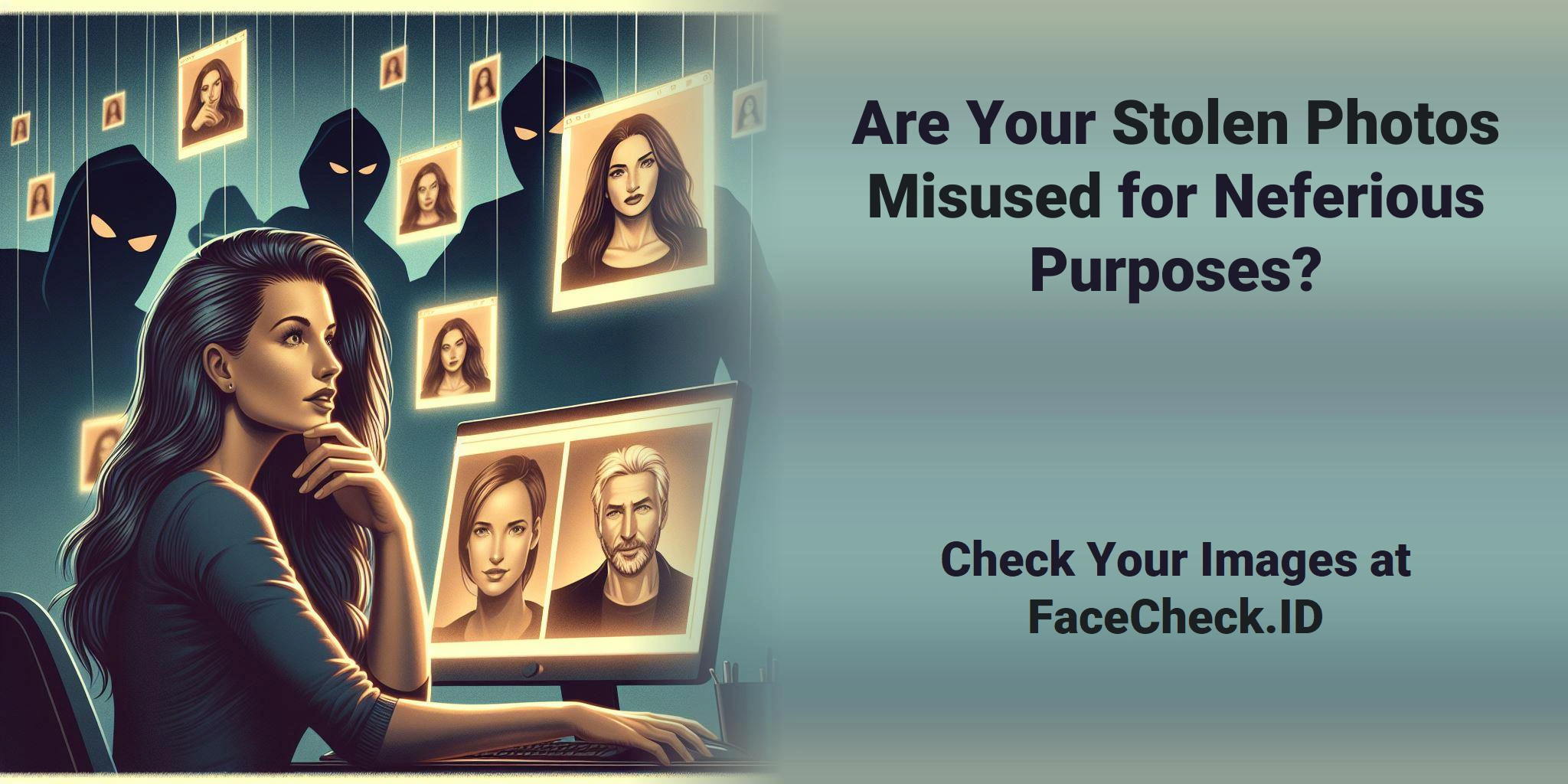
If your face is your job, your face is also your liability. Models, actors, and influencers all share the same uncomfortable math: the same photos that build your career are sitting one right-click away from someone who wants to misuse them. And misuse has gotten creative. We're past the era of a sketchy brand lifting your headshot for a banner ad. Now your face can end up on an escort directory, headlining a romance scam aimed at someone's lonely uncle, or stitched into AI-generated nudes by a stranger with too much free time and a decent GPU.
The damage isn't hypothetical. It's reputational, professional, and personal, usually all at once.
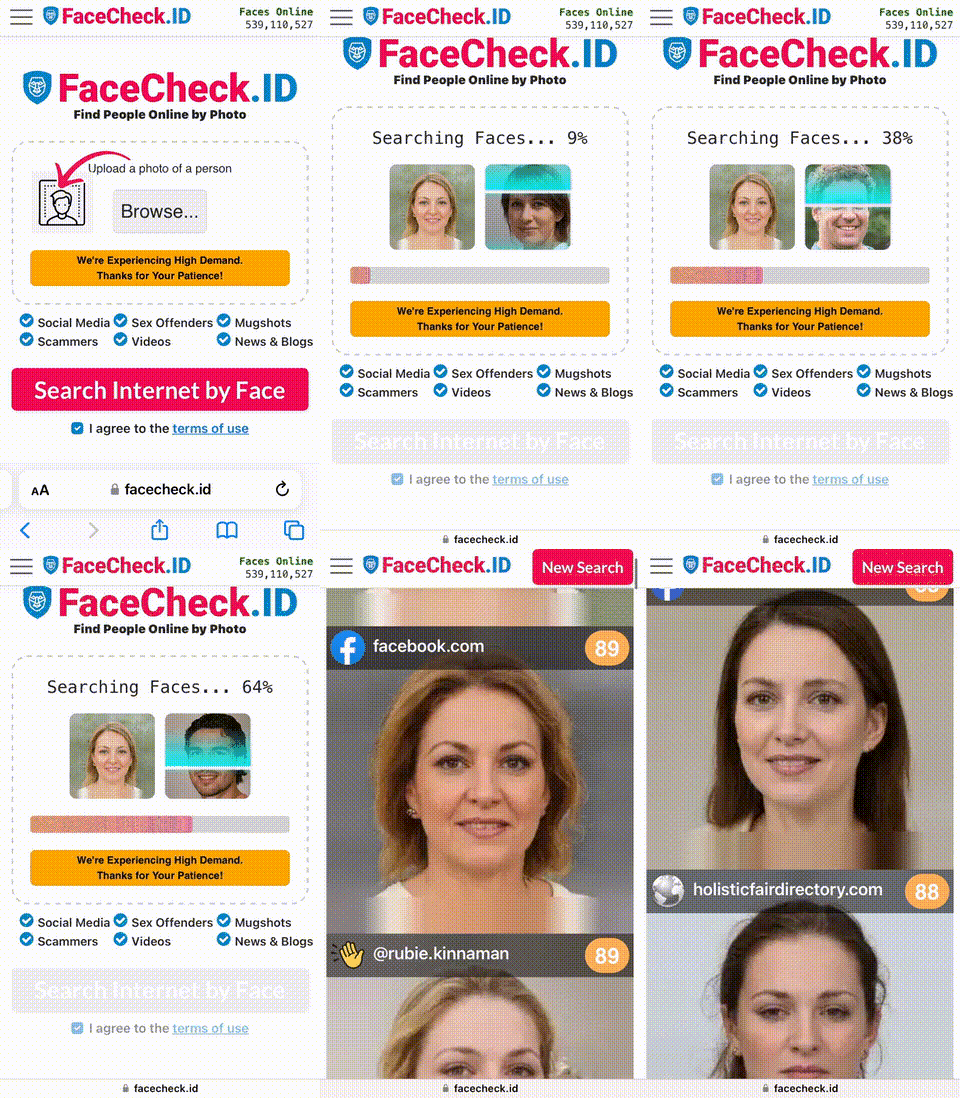
The good news: tools like FaceCheck.ID can scan the internet on your behalf and tell you where your face is showing up. Here's how to use them, and what to do when something turns up that shouldn't.
In this article, we're going to discuss
Understanding the Threat
Upload a photo, and you've handed a copy to anyone willing to save it. From there, your image can land on a fake dating profile run by someone three time zones away, in an ad for a product you've never heard of, or — if you work in front of a camera for a living — on adult sites and escort listings you'd give anything to scrub from existence. AI-generated fakes are the newest, ugliest layer on top of all of it.
You can't prevent every theft. You can know when it happens.
Steps to Take if Your Images Are Misused
If you find your photo somewhere it shouldn't be, here's the order of operations:
- Document everything. Screenshots, URLs, dates, timestamps. Boring, but it's what every later step depends on.
- Contact the hosting site. Most platforms have a contact form or a DMCA link buried in the footer. Start there before escalating.
- File a DMCA takedown notice. If the first email gets ignored — and it often does — a formal DMCA notice obligates the site to remove copyrighted material. Templates are easy to find.
- Use the platform's reporting tools. Instagram, Facebook, X, and TikTok all have built-in flows for impersonation and image misuse. They're imperfect, but they're fast and free.
- Talk to a lawyer when it's serious. Widespread distribution, sexual content, defamation — these are the cases where legal action stops being optional.
- Set up monitoring. This is the part most people skip until it's too late. FaceCheck.ID's internet monitoring scans the web daily for your face and pings you when something new turns up, so you're not relying on a friend to text you "uh, is this you?"
Proactive Measures to Protect Your Images
A few habits make you a less attractive target:
- Watermark your photos. Even a subtle one in the corner makes an image harder to repurpose cleanly.
- Post lower-resolution versions. Save the full-res files for paying clients and your portfolio. Thieves want sharp images, not 1080px JPEGs.
- Know your rights. Understanding what you actually own — and what platforms claim in their terms of service — changes how you fight back.
Maintain Control Over Your Digital Identity
Your face is part of your livelihood, which means treating it like the asset it is. Monitor where it shows up. Act fast when it shows up somewhere wrong. Use the tools built for this.
Run a free search on FaceCheck.ID to see where your photos are currently living online. It takes a minute, and the worst case is you find out nothing's wrong.
What to do when brands steal your images? Deal with anyone who use your images without permission
What to do when brands steal your images?
Ever spotted your photo in a brand's feed with no credit, no payment, and no acknowledgment? It happens constantly. In this video, I walk through my own run-ins with it and how to handle a company that lifts your work — especially when they're making money off it.
How To Deal With Image Theft
What to do when someone uses your photo without permission, and how to actually get paid when they do.
How to Handle Copyright Infringement on Instagram for Photographers
A walkthrough of one method for reporting copyright infringement on Instagram.
FAQ
How long does a DMCA takedown actually take to work?
Compliant US-hosted platforms typically remove content within 24–72 hours of a valid DMCA notice, but the realistic range is wider. Major sites like Instagram, Reddit, and Google often act within a day. Smaller forums and image hosts can take 1–2 weeks. Sites hosted in Russia, China, or certain offshore jurisdictions may ignore DMCA entirely — at that point your leverage shifts to the host's upstream provider or the site's payment processor, not the site itself.
Can I file a DMCA notice for a photo a photographer took of me?
Usually no — the copyright belongs to whoever pressed the shutter, not the subject. If a photographer shot your headshots, they own the copyright unless your contract specifically assigns it to you or grants a work-for-hire arrangement. To get unauthorized uses taken down, you'll either need the photographer to file the DMCA, a written assignment of rights, or a different legal angle like right of publicity, impersonation, or defamation.
What can I do if my face ends up in AI-generated nudes or deepfakes?
Report under each platform's specific non-consensual intimate imagery (NCII) policy, not generic copyright — these reports move faster and don't require you to own the source photo. StopNCII.org lets you hash images for proactive blocking across Meta, TikTok, Bumble, and others. In the US, federal law (the TAKE IT DOWN Act, signed 2025) now requires platforms to remove reported NCII deepfakes within 48 hours. Document everything before reporting; takedowns sometimes erase evidence you'll want later.
Does watermarking actually stop image theft?
No, but it changes the economics. Modern AI inpainting tools can remove a corner watermark in seconds, so a small logo won't stop a determined thief. What watermarks do well is deter the lazy 90% — the scammers and content scrapers who need clean images at scale and will simply move to an easier target. For meaningful protection, place the mark across the subject's face or body, not in a croppable corner.
Is reverse face search legal, and is it legal to use on someone else?
Searching with your own face is legal everywhere. Searching with someone else's face occupies a grayer space — it's generally legal in the US, but in the EU and UK, GDPR treats biometric data as a special category, and Illinois's BIPA has produced multi-million-dollar settlements against face-search companies. Using a tool like FaceCheck.ID to find misuses of your own image is fine; using it to dox or stalk someone else can expose you to civil liability.
Why do my stolen photos keep reappearing after I get them taken down?
Because takedowns address copies, not sources. The original thief still has the file and often reposts to mirror sites, new accounts, or different platforms within days. This is why one-shot takedowns feel like whack-a-mole. Recurring monitoring — daily face scans rather than occasional manual searches — is the only way to catch reuploads quickly. Some victims also use image hashing services that auto-flag known stolen files when they reappear on participating platforms.
How do I get paid when a brand uses my image without permission?
Send an invoice, not a cease-and-desist — at least first. Calculate three times your standard licensing rate (the industry-accepted multiplier for unauthorized commercial use) and send a formal invoice with screenshots, dates, and a payment deadline. Roughly half of brands pay to avoid the headache. If they refuse, escalate to a demand letter from an attorney; statutory damages under US copyright law can reach $150,000 per willful infringement if your photo was registered before the theft.
What's the difference between image theft and right of publicity violations?
Image theft is a copyright issue — someone copied a photo you (or your photographer) own. Right of publicity is separate: it's the unauthorized commercial use of your identity, face, or likeness, regardless of who owns the photo. A brand using a licensed stock photo of you in an ad without your consent isn't copyright infringement, but it is a publicity violation in most US states. The distinction matters because the legal remedies, damages, and applicable laws are completely different.
Will reporting to Instagram or TikTok actually do anything?
Sometimes, and it depends heavily on which report category you choose. Impersonation reports filed with a government ID attached have the highest success rate — often resolved within 48 hours. Generic "this isn't me" reports without ID attached frequently get auto-rejected. Copyright reports work but require you to be the actual rights holder. For escort ads or scam profiles using your photos, the "pretending to be someone else" flow paired with a photo of you holding ID is the fastest path.

Read More...
TinEye Review: We Tested It 16 Times and It Failed 10
TinEye is a pioneer in reverse image search, but it was never built to find people. We ran it through 16 face search tests alongside FaceCheck.id. TinEye scored 18 out of 80. Here's every result.
On the subject in other languages
 Combatendo o Roubo de Imagens para Influenciadores, Atores e Modelos: Protegendo Sua Imagem Online
 应对影响者、演员和模特的图像盗窃:保护您的在线形象
 Řešení krádeže obrázků pro influencery, herce a modely: Ochrana vašeho online obrazu
 Bekämpfung von Bilderdiebstahl für Influencer, Schauspieler und Models: Schutz Ihres Online-Bildes
 Abordando el Robo de Imágenes para Influencers, Actores y Modelos: Protegiendo Tu Imagen en Línea
 Lutte contre le Vol d'Images pour les Influenceurs, Acteurs et Mannequins : Protéger Votre Image en Ligne
 Affrontare il Furto di Immagini per Influencer, Attori e Modelli: Proteggere la Tua Immagine Online
 インフルエンサー、俳優、モデルのための画像盗難対策:オンライン画像の保護
 인플루언서, 배우, 모델을 위한 이미지 도용 대응: 온라인 이미지 보호하기
 Zwalczanie kradzieży zdjęć dla influencerów, aktorów i modelek: Jak chronić swój wizerunek w sieci
 Борьба с кражей изображений для блогеров, актеров и моделей: защита вашего онлайн-образа
 التصدي لسرقة الصور للمؤثرين والممثلين والعارضين: حماية صورك على الإنترنت
 Etkileyiciler, Aktörler ve Modeller için Resim Hırsızlığına Karşı Çözüm: Çevrimiçi Resminizin Korunması
Popular Topics
Deepfake Identity Reverse Face Search How To Facebook Instagram Scammers Romance Scam Reddit Biometric Screenshot Face Search Watermarking ImpersonationExpert Analysis: PimEyes vs FaceCheck for Facial Recognition 2026