Romance Scam Explained: Signs & How to Avoid Being Fooled
What is a romance scam?
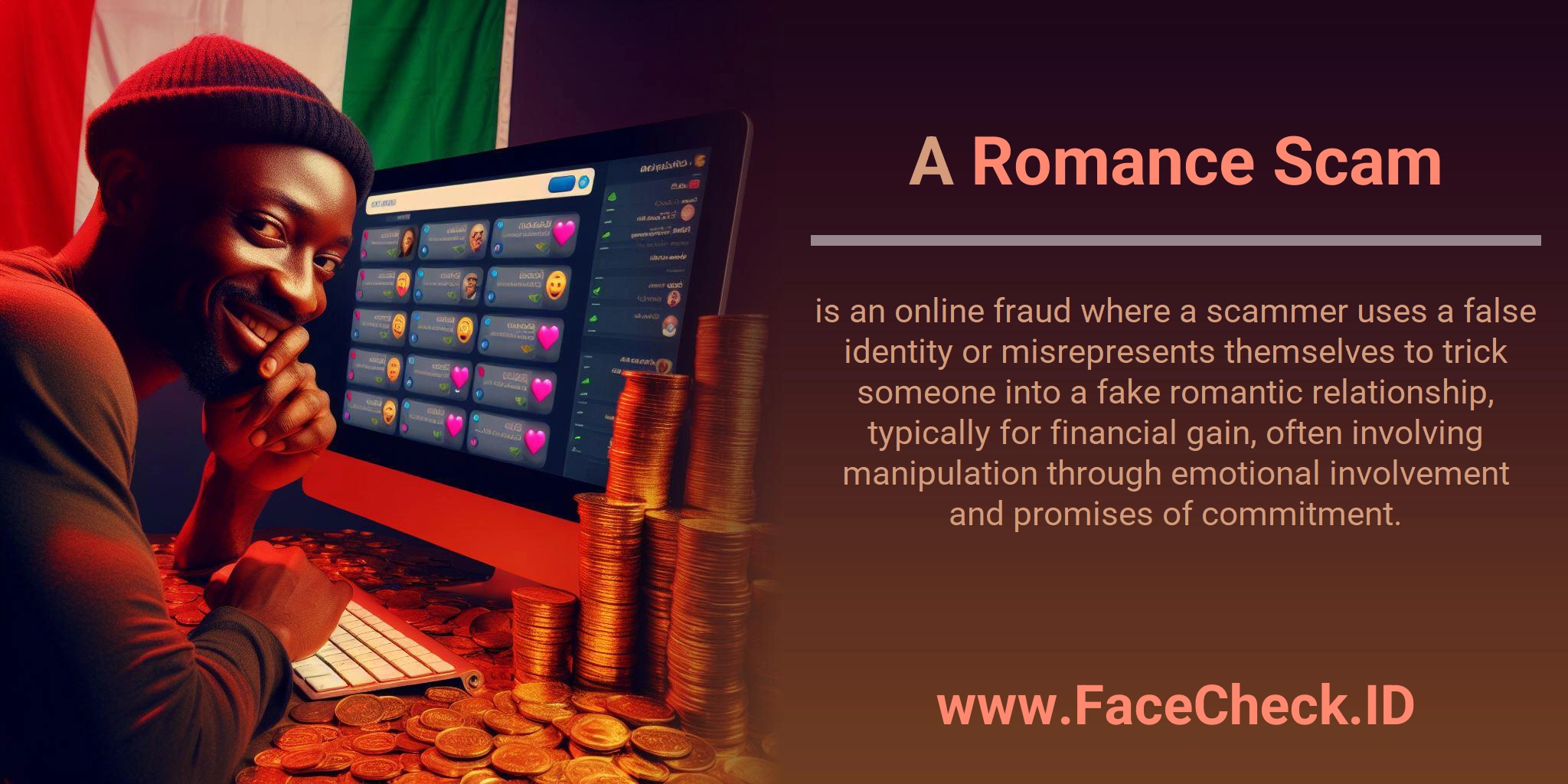
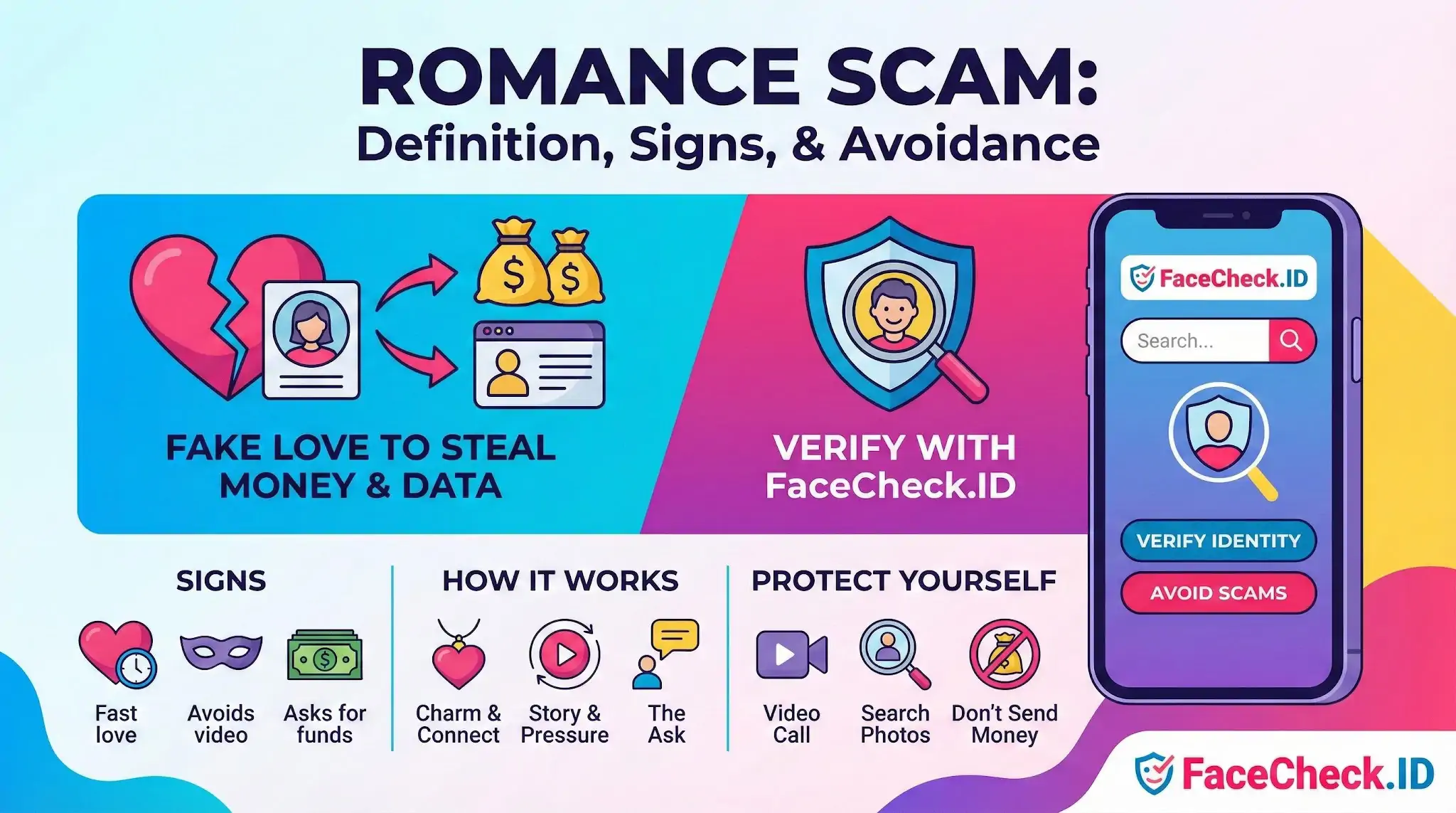
A romance scam is a type of online fraud where a scammer pretends to be interested in a romantic relationship to gain your trust and then steal money, personal information, or valuables. The scammer often uses a fake identity, stolen photos, or lies about their background to seem real.
Romance scams commonly start on dating apps, social media, messaging apps, or email, and can also move quickly to private chats or texting.
How romance scams work
A romance scam usually follows a pattern:
- Contact and charm
The scammer messages you and builds a fast emotional connection. They may use flattering messages, frequent texting, or love bombing.
- A convincing story
They explain why they cannot meet in person. Common excuses include travel, military deployment, offshore work, or family emergencies.
- Pressure and isolation
They try to move conversations off the platform and may discourage you from talking to friends or family about the relationship.
- The ask
They request money, gift cards, crypto, bank details, logins, or personal documents. They may claim it is for medical bills, travel costs, customs fees, an investment opportunity, or a short term loan.
Common warning signs of a romance scam
Look for these red flags:
- They profess love quickly or push for commitment early
- They avoid video calls or always have an excuse
- Their photos look like a model or seem reused online
- They claim they are overseas, in the military, or constantly traveling
- They ask for money, gift cards, crypto, or financial help of any kind
- They request sensitive personal info like your address, ID photos, or banking details
- Their story has inconsistencies or changes over time
- They create urgency, guilt, or pressure to act fast
How scammers create believable fake identities
Romance scammers may:
- Use stolen photos from real people
- Copy details from social profiles to build a realistic persona
- Use reverse image search tools to test whether their stolen pictures appear elsewhere online
- Reuse the same scripts and excuses across many victims
Note: Some scams also involve deepfake style media or edited images, so do not rely on photos alone.
How to protect yourself
Practical steps that reduce risk:
- Keep chats on the dating platform until you verify the person
- Ask for a live video call and a simple real time action (like waving or saying a specific phrase)
- Search their name, photos, phone number, and key story details online
- Never send money, gift cards, crypto, or bank info to someone you have not met in person
- Do not share verification codes, login details, or ID documents
- Talk to a trusted friend if you feel pressured or unsure
What to do if you think you are being scammed
- Stop sending money or information
- Save evidence like messages, usernames, email addresses, and payment details
- Report the account to the dating site or social platform
- Contact your bank or payment provider immediately if you sent money
- Consider reporting to the appropriate fraud reporting agency in your country
FAQ
How can face recognition search results help me figure out which profile photo source is the “original” in a suspected romance scam?
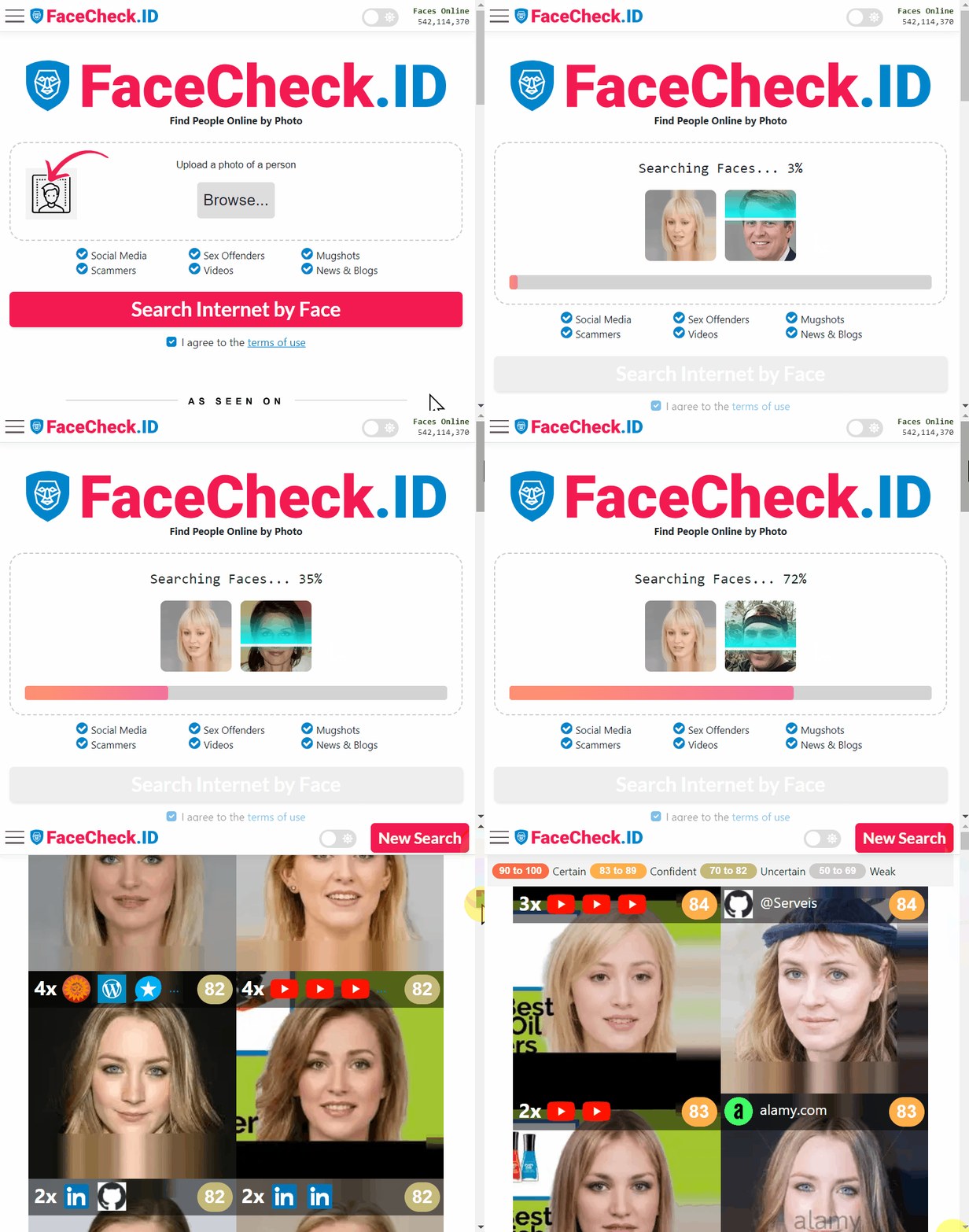
Treat face-search hits as leads and compare the surrounding context of each match: look for the earliest posting date, consistent ownership cues (same handle across platforms, matching biography details, long-running accounts), and higher-quality “first-generation” images (not cropped screenshots with UI elements). Reposts, scam warnings, and “too-new” accounts using the same face are common signs the dating profile is not the original source.
Should I run face searches on multiple photos from the same dating profile when I suspect a romance scam?
Yes. Run separate searches for several different photos (ideally different angles/lighting). If the profile is legitimate, the results often cluster around the same person and a consistent online footprint. If different photos resolve to different people—or one photo matches many unrelated identities—that inconsistency is a strong warning sign of stolen images, image swaps, or AI-generated/edited content.
What does it mean if a face search match points to a modeling portfolio, casting site, or professional headshot page during a romance-scam check?
It often indicates the scammer may be using publicly available professional photos that were easy to steal and that look “trustworthy.” Verify by checking whether the portfolio subject’s name, location, and age align with what the dating profile claims, and whether the portfolio predates the dating account. Professional headshots appearing long before the dating profile is a common indicator the dating profile is impersonating someone.
How can I verify a suspected romance scammer without tipping them off while using a face recognition search engine?
Do your verification privately first: save screenshots, run face searches, and cross-check claims (job, location, past posts) without confronting them. Avoid sending them your investigative findings or asking leading questions that reveal your methods. If you need proof, ask for a real-time photo with a specific, harmless prompt (e.g., holding today’s newspaper or making a specific gesture), then compare it with face-search results—while remembering that edited images and look-alikes can still mislead.
If a tool like FaceCheck.ID returns many matches for the same face, how should I triage them for romance-scam risk?
Prioritize matches that (1) appear on long-established, identity-bearing pages (professional profiles, consistent social accounts), (2) show the same person across many different life contexts, and (3) include multiple distinct photos (not just the same image reposted). Deprioritize clusters that are mainly repost sites, scam-report aggregators, or low-context pages. With FaceCheck.ID (or similar tools), use the strongest/most consistent matches to locate the likely real person’s footprint, then compare it against the dating profile’s story for contradictions.

Recommended Posts Related to romance scam
-
Unmasking Romance Scams: Expert Tips to Identify and Avoid Falling Victim
In the digital age, romance scams are increasingly common, preying on those seeking love online. This article examines romance scam tactics and provides tips to stay safe. Sextortion represents another sinister facet of romance scams.
-
How to Uncover a Romance Scammer Using Just a Picture
This step-by-step guide will walk you through the process of identifying a romance scammer using just a picture. Find Romance Scammer Using Just a Picture! To utilize ScammerPhotos.com in your search for a romance scammer, follow these steps:.
-
Celebrity Romance Scams 2026: How Scammers Use AI Deepfakes and Stolen Photos to Steal Millions
The Rising Threat of Celebrity Impersonation Romance Scams in 2026. In 2026, romance scams have reached alarming new heights, fueled by AI technology that creates convincing deepfakes and fake images. The FBI reports that confidence and romance scams cost victims hundreds of millions annually, with many cases going unreported due to shame.
-
How Do You Reverse Image Search on Dating Sites?
But the anonymity of the internet also fuels catfishing and romance scams. International romance scam networks—often operating out of West Africa, Eastern Europe, or Southeast Asia—pose a serious risk. According to the FTC’s 2025 update, romance scams caused $1.3 billion in losses in 2024 in the U.S.
-
Stop Romance Scams in 2025: Real Case, Red Flags, and FaceCheck Tips
When Love Becomes Leverage: The Melodee & JR Romance Scam. This is what we call a classic romance scam. Romance Scam Statistics in 2025.
-
Oil Rig Romance Scam Exposed: Scammers Stole Village People's Cowboy Photos to Trick Victims
In recent years, romance scams have caused massive losses, with reported figures reaching $1.3 billion in 2022 and continuing high into 2025-2026 (per FTC reports). Inside a romance scam: how to make a catfisher sing. The Classic Oil Rig Romance Scam Playbook.
-
140+ Common Romance Scammer Lines, Excuses & Red Flags to Watch For in 2026
In 2026, romance scams remain a top threat, with older adults (60+) reporting $2.4 billion in total fraud losses (often driven by investment scams, romance scams, and impersonation frauds) ftc.gov. A romance scammer’s favorite plot device: The Mysterious Package™. Celebrity romance scams: “It’s me.
-
AI Dating Scams in 2026: How to Spot Fake Profiles and Avoid Romance Fraud
Romance scams are rising fast in 2026, with scammers using AI-generated photos and deepfake videos to trick people on dating apps. Helpful for spotting catfishing, fake profiles, and romance scams.
-
Elder Fraud Statistics 2025: FTC Reports $2.4 Billion Lost to Scams Targeting Seniors
Investment scams, romance scams, and government impersonators are the biggest threats. 💕 Romance Scams. Romance Scams$329 million⬆️ +19%.
-
How to Spot a Catfish Online in Under 60 Seconds with FaceCheck.ID
In 2025, romance scams and catfishing have reached record levels. FaceCheck.ID leads for romance scam detection specifically due to its fraud-focused features, AI image flagging, and free entry point for basic searches. Join support communities like Romance Scams Now or AARP's fraud victim resources.
-
Social Catfish Review: Is It Actually Worth Your Money in 2026?
Declarations of love within days or weeks, especially before you've met in person, is textbook romance scam pacing. Their tagline is basically "verify your online date before meeting them." They've built a lot of content around catfishing, romance scams, and identity verification. That test ran Social Catfish through a gauntlet of real-world scenarios: side profile photos, masked faces, blurred images, low-resolution pictures, AI-generated faces, obscure international celebrities, and romance scam photos.
-
How to Find Stolen Images on the Internet
Unauthorized use of your images can occur on social media, blogs, dating apps, commercial websites, and worse yet in deceptive ads, romance scams, or adult content websites.
-
Tackling Image Theft for Influencers, Actors, and Models: Protecting Your Online Image
Image theft isn't just about having your pictures used without consent in unauthorized ads; it can also involve their appearance on escort sites, usage in romance scams, or even making fake nudes with the latest AI.
-
How to Spot a Catfish in 2025: Red Flags in Fake Dating Profiles
In 2024, romance scams cost victims more than $1.3 billion, with people over 50 disproportionately targeted, losing an average of $15,000. 37% of online daters report encountering romance scams. Resources on Catfishing & Romance Scams (Updated 2025).
-
How to Run Background Check Using Face Recognition Search Engine
To check if they are on a romance scammer list.
-
Fake Profile Scam? Why 99% of the Time the Person in the Photo Is Innocent
Romance scams and dating scams. What are the biggest red flags for a romance scam?
-
The Rise of Romance Scams: Protect Your Heart and Wallet
One way to protect yourself from falling victim to a romance scam is by using a facial recognition search tool FaceCheck.ID. Romance scams are on the rise.
-
Top 4 Benefits of Facial Recognition in Online Dating with FaceCheck.ID
By performing a reverse image search, users can check they are not talking to a romance scammer before they agree to meet in person.
-
Social Media Lookup: Find Anyone's Profiles by Photo
Social Catfish combines image search with people-search databases but is primarily a paid service aimed at romance scam verification.
-
PimEyes Free Alternatives That Actually Work (2026)
The added value is their database of known scammer photos, which is genuinely useful for romance scam detection.